
Table of Contents
- Introduction
19 February, 2026
By Admin
Hearing the words “prostate cancer” can make even the strongest person go quiet for a moment. It’s not only the diagnosis — it’s the flood of questions that comes right after. What happens next? Will I need surgery? How serious is it? How long does treatment take? What about recovery? And most importantly… will life feel normal again?
If you or someone in your family is going through this, you deserve information that feels clear, practical, and honest — not overwhelming medical jargon. Prostate cancer treatment is not one-size-fits-all. Some patients may need active surveillance, some may need radiation, and for many men, surgery becomes the best option based on the stage and aggressiveness of the cancer.
At Pratham Urology, prostate cancer care is approached with structure and compassion. The goal is to treat the cancer properly while also supporting the patient’s long-term quality of life. This blog walks you through the complete treatment process for Prostate Cancer Surgery in Ahmedabad, from diagnosis to follow-up, so you know what to expect at every stage.
Understanding Prostate Cancer
The prostate is a small gland found just below the bladder, surrounding the urethra. It plays a role in male reproductive health, but as men age, it can also become the centre of several health concerns — including enlargement and cancer. Prostate cancer begins when prostate cells start growing in an unusual, uncontrolled way. Some prostate cancers grow slowly, while others can be more aggressive. That difference is exactly why proper evaluation is so important. A patient’s treatment plan depends on the cancer’s stage, grade, and how quickly it appears to be progressing.
Many men discover prostate cancer after routine PSA testing, while others come in because of urinary symptoms. At Pratham Urology, the process begins with understanding the patient’s medical history and building a clear diagnostic pathway, rather than jumping into treatment decisions too quickly.
Who Typically Needs Prostate Cancer Treatment?
Not every patient with prostate cancer requires immediate surgery. In some cases, active surveillance is recommended, especially when the cancer is low-risk and slow-growing. But for many patients, treatment becomes necessary to stop the cancer from progressing. Common reasons doctors recommend treatment include:
- Elevated PSA levels
- Abnormal digital rectal examination findings
- Positive biopsy results confirming prostate cancer
- Imaging that suggests localised or advanced disease
- Signs may include trouble urinating, blood in the urine, or discomfort in the pelvic area.
These indications help specialists decide whether surgery is needed, or whether other therapies such as radiation or hormone treatment may be more suitable. When patients search online for Prostate Cancer Surgeons in Ahmedabad, they are usually looking for someone who can guide them through these decisions with confidence. That guidance matters as much as the treatment itself.
Step 1: Diagnosis and Confirming the Cancer
Before any surgery is planned, prostate cancer must be confirmed and properly assessed. This step is crucial because the treatment plan depends on accurate staging and grading. At Pratham Urology, diagnosis typically involves:
- PSA testing
- Clinical evaluation and symptom discussion
- Digital rectal examination when required
- Biopsy confirmation
- Imaging studies to understand the cancer’s extent
The goal is not only to confirm cancer, but also to understand whether it is localised to the prostate or has signs of spreading. This is where personalised treatment planning begins. Many patients feel anxious during this stage, because they want fast answers. But in prostate cancer care, correct answers are more valuable than rushed answers.
Step 2: Understanding the Stage and Aggressiveness
Once prostate cancer is confirmed, the next step is understanding how advanced it is. This is often described in terms of:
- Stage (how far the cancer has spread)
- Grade (how aggressive the cancer appears under the microscope)
These factors help determine whether surgery is appropriate. Some cancers are very early and slow growing. Others may require a more active treatment approach. At Pratham Urology, this is the stage where the patient is educated properly. You are not just told what will happen — you are told why. And for most men, that clarity reduces fear dramatically.
Step 3: Choosing the Right Treatment Plan
This is one of the most important parts of the journey. Prostate cancer management can involve different options, depending on the patient’s condition and overall health. Treatment approaches may include:
- Active surveillance
- Surgery
- Radiation therapy
- Hormone therapy
- Chemotherapy (in selected cases)
The decision is based on medical findings and patient factors. The aim is to eliminate or control cancer while protecting quality of life as much as possible. When surgery is recommended, it is usually because it offers a strong chance of controlling the disease, especially when the cancer is still localised. This is why many men actively look for Prostate Cancer Surgery in Ahmedabad with a specialist team that can handle both the procedure and the long-term follow-up.
Step 4: Preparing for Prostate Cancer Surgery
Once surgery is decided, preparation begins. This step is often overlooked, but it plays a huge role in smoother recovery. At Pratham Urology, pre-surgery preparation includes:
- Reviewing overall health and fitness for surgery
- Pre-operative blood tests and medical clearance
- Imaging review if needed
- Discussion about the surgical plan
- Explanation of hospital stay, recovery time, and follow-up
This is also the time when patients ask the most important personal questions — about urinary control, sexual function, and how life will look after surgery. A good surgeon doesn’t avoid these topics. They address them with honesty and care. Patients searching for Prostate Cancer Surgeons in Ahmedabad often want more than surgical skill. They want a doctor who can talk about real-life outcomes without making the conversation uncomfortable.
Step 5: The Surgery Itself (What Actually Happens)
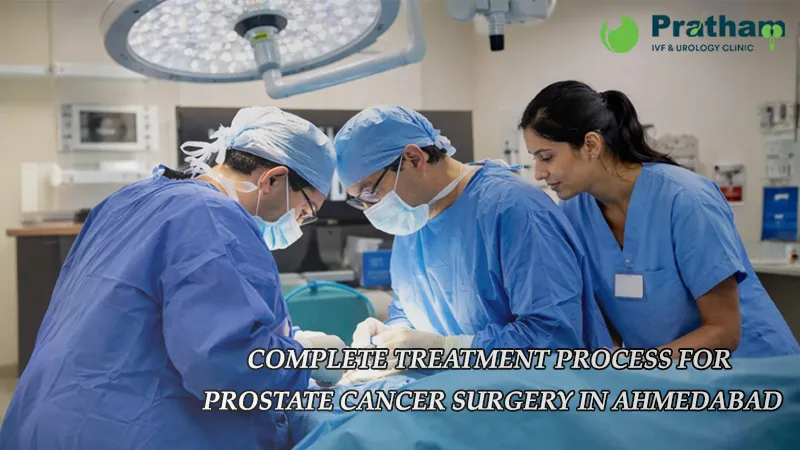
Prostate cancer surgery typically involves removing the prostate gland, especially when the cancer is localised. And while that sounds straightforward on paper, the reality is that no two patients are exactly the same — so the surgical approach and the final plan depend heavily on the patient’s condition and the surgeon’s assessment. During the procedure, the aim is to remove the cancer while protecting surrounding structures as much as possible. It’s performed under anaesthesia, and the patient is monitored closely throughout. That part is non-negotiable. Surgery is a serious step, and it’s treated like one. At Pratham Urology, surgery is not handled as a one-day event where everything begins and ends in the operating room. It’s approached as part of a complete care pathway. Patients are supported before surgery, during the hospital stay, and throughout recovery — because that’s the phase where people usually need the most guidance, even if they don’t say it out loud. This structured approach is a major reason why patients consider Pratham Urology when looking for Prostate Cancer Surgery in Ahmedabad.
Step 6: Hospital Stay and Immediate Post-Surgery Care
After prostate cancer surgery, patients usually stay in the hospital for monitoring. This is the stage where the body begins healing, and doctors watch for complications such as bleeding, infection, or urinary issues. Post-surgery care often includes:
- Pain management
- Monitoring urine output
- Wound care and dressing guidance
- Walking and gentle movement as advised
- Discharge instructions for home care
This phase can feel emotionally heavy for patients because it’s when reality “sinks in”. That’s why supportive communication matters. At Pratham Urology, patients are guided through recovery with a calm, step-by-step approach, so they feel less lost and more in control.
Step 7: Recovery at Home
Recovery after prostate surgery is a gradual process. Most men improve steadily, but it’s normal to have questions along the way. During home recovery, patients may need to:
- Avoid heavy lifting
- Follow medication instructions
- Maintain hygiene and wound care
- Attend follow-up visits
- Watch for signs of infection or unusual symptoms
The recovery timeline varies, and it depends on overall health, age, and how the body responds to surgery. The key is not rushing the healing process. At Pratham Urology, follow-up is treated as part of the treatment plan, not an afterthought. That follow-up is where patients regain confidence, because they are guided through what’s normal and what needs attention.
Step 8: Follow-Up After Surgery (PSA Monitoring and Long-Term Care)
Prostate cancer treatment does not end when surgery ends. Follow-up is essential to monitor for recurrence and to manage long-term side effects. The most common follow-up includes:
- Regular PSA testing
- Imaging when required
- Follow-up appointments for symptom review
PSA testing plays a key role in post-treatment monitoring. It helps doctors detect signs of recurrence early if they occur. This ongoing monitoring is one of the reasons prostate cancer outcomes can be significantly improved with proper long-term care. At Pratham Urology, the follow-up plan is explained clearly so patients know what tests are needed, when they are needed, and why.
Why Prostate Cancer Surgery Is Important (When It’s the Right Option)
Surgery is recommended because it can remove cancer effectively, particularly when the disease is localised. It also helps reduce the risk of progression and metastasis when performed at the right stage. The most important point is that prostate cancer treatment must be personalised. Surgery is not “better” for everyone — it is better for the right patient. That’s why choosing the right hospital matters. Patients looking for Prostate Cancer Surgery in Ahmedabad often want a centre that offers not only surgery, but complete management and follow-up support.
How to Choose the Right Prostate Cancer Surgeons in Ahmedabad
This is a question many families ask, especially after diagnosis. The decision feels big because it is big. When you choose a surgeon, you are choosing the person who will guide you through one of the most important medical journeys of your life. Here’s what patients usually look for:
- Specialised experience in prostate cancer management
- Clear communication and patient education
- Structured diagnosis and treatment planning
- Respect for patient privacy
- Follow-up support after treatment
At Pratham Urology, this patient-centred structure is a major part of the care experience. It is not only about treatment. It is about trust. When patients search for Prostate Cancer Surgeons in Ahmedabad, they want skill, but they also want peace of mind. That peace of mind comes from being treated with clarity and respect.
Why Choose Us
Choosing a hospital for prostate cancer treatment isn’t a small decision. It affects medical outcomes, of course, but it also affects something people don’t always talk about enough — emotional comfort and long-term confidence. Because once the word “cancer” enters the conversation, everything feels heavier. Even the simple decisions.
At Pratham Urology, prostate cancer management is handled through a structured, personalised approach. But it’s not “structured” in a cold, checklist way. It’s structured because that’s what keeps things clear when patients are scared, confused, or simply overwhelmed. The focus stays on accurate diagnosis, appropriate treatment selection, and careful follow-up — because missing steps (or rushing them) is where patients usually lose trust. Patients are supported through each stage, starting from PSA testing and biopsy confirmation, all the way to surgical planning, recovery, and ongoing monitoring. And yes, every stage matters. Not just the surgery.
The team also understands something very real: prostate cancer surgery is not only a medical procedure. For many families, it becomes a life moment. It changes routines, priorities, and sometimes even how a person sees themselves. That is why Pratham Urology focuses on respectful communication, patient privacy, and long-term care guidance that feels clear and practical — not vague or overly technical.
Conclusion
Prostate cancer treatment can feel overwhelming at first. That’s normal. But it becomes far more manageable when you understand each step clearly, and when you’re not made to feel rushed through decisions. From diagnosis and staging to selecting the right treatment and planning surgery, every stage matters. Prostate cancer surgery is often recommended when the cancer is localised, and removal offers strong long-term control. But just as important as the surgery itself is follow-up care — including regular PSA monitoring and recovery guidance.
At Pratham Urology, patients receive structured support from consultation through post-treatment monitoring. With the right medical team, prostate cancer treatment becomes a guided journey rather than a frightening unknown.
For Complete Treatment Process for Prostate Cancer Surgery in Ahmedabad, call +91 9726274320 or schedule your appointment with Pratham Urology for expert consultation and follow-up guidance.
Key Takeaways
- Prostate cancer treatment depends on stage, aggressiveness, and patient health.
- Surgery is often recommended when the cancer is localised and removal offers strong control.
- Diagnosis includes PSA testing, biopsy confirmation, and imaging evaluation.
- Recovery and follow-up care are essential parts of the full treatment process.
- Pratham Urology provides structured prostate cancer care from diagnosis to long-term monitoring.