
Table of Contents
- Introduction
19 February, 2026
By Admin
When someone is told they may have cancer, everything changes in a single moment. Even before the test results are fully explained, the mind starts racing — What does this mean? Who should I consult? What treatment will I need? And how soon? In urological cancers, the emotional impact can feel even heavier because the affected organs are so closely linked to daily comfort, dignity, and personal confidence.
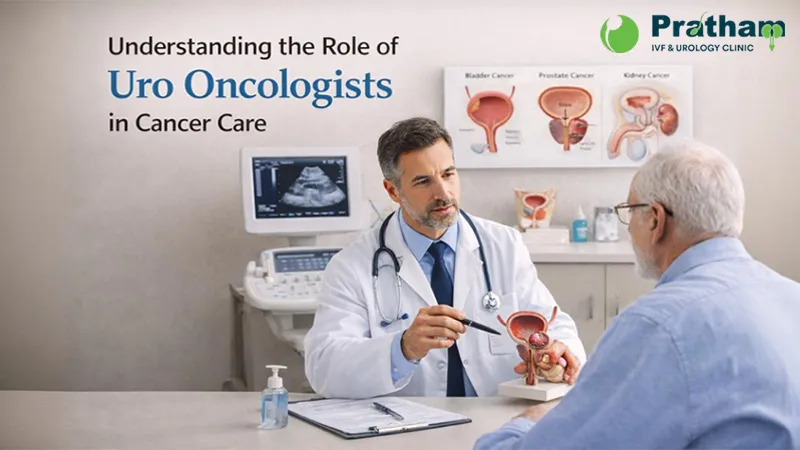
This is where uro-oncology becomes essential. Uro-oncology deals with the diagnosis and treatment of cancers affecting the urinary tract and male reproductive system. It requires a unique combination of surgical skill, diagnostic accuracy, and cancer-treatment planning. And most importantly, it requires a doctor who can treat cancer while also protecting long-term quality of life.
What Is Uro-Oncology?
Uro-oncology is a sub-speciality within urology dedicated to diagnosing and treating cancers that affect the urinary tract and male reproductive organs. These cancers may involve the:
- Prostate
- Bladder
- Kidneys
- Testes
- Ureters
What makes uro-oncology different from general cancer care is its focus on both cancer control and urological function. A uro-oncologist does not treat cancer in isolation. They consider how treatment will affect urination, sexual health, hormonal balance, and long-term comfort. At Pratham Urology, uro-oncology is handled through a complete care pathway — from diagnosis to treatment to long-term monitoring.
Why Uro Oncologists Matter in Cancer Treatment
Urological cancers often require more than one type of treatment. Some patients may need surgery, while others may benefit from radiation, hormone therapy, chemotherapy, or immunotherapy. The role of a uro-oncologist is to coordinate these options in a way that fits the patient’s cancer stage and health condition. The key responsibilities of uro-oncologists include:
- Confirming the diagnosis using advanced investigations
- Staging the cancer accurately
- Planning treatment based on tumour behaviour
- Performing cancer surgeries when required
- Supporting recovery and long-term follow-up
This is why patients often search specifically for Uro Oncologists in Ahmedabad rather than general urologists, especially when cancer is suspected or confirmed.
Types of Cancers Treated in Uro-Oncology
Uro-oncology covers multiple cancers, each with its own diagnostic approach and treatment plan. A specialist in this field understands the subtle differences between them and how those differences affect treatment decisions.
- Prostate Cancer: Prostate cancer is among the most diagnosed cancers in men. Some forms are slow-growing and may be monitored, while others require active treatment. Uro-oncologists help decide whether surveillance, surgery, radiation, or hormone therapy is the best approach.
- Bladder Cancer: Bladder cancer is often detected after symptoms like blood in urine. Treatment can vary widely depending on stage. Early-stage cases may be treated differently from invasive bladder cancers.
- Kidney Cancer: Kidney cancer may be found incidentally during scans. Surgery is often the primary treatment, and minimally invasive methods may be used in selected cases.
- Testicular Cancer: Testicular cancer is often highly treatable, particularly when detected early. Uro-oncology plays a major role in diagnosis, surgery, and follow-up.
- Ureteric Cancer: Cancer of the ureter is less common but still requires specialised planning, especially for diagnosis and surgical management.
At Pratham Urology, these cancers are managed with careful evaluation and personalised planning, which is why many patients consider it among the Best Uro Oncology Hospital in Ahmedabad options.
Common Symptoms That May Require a Uro-Oncology Consultation
Many urological cancers start with symptoms that seem small or easy to ignore. But early evaluation is one of the strongest tools in cancer care. Some symptoms that may require a consultation include:
- Blood in urine
- Difficulty passing urine
- Frequent urination, especially at night
- Pelvic discomfort
- Persistent flank or back pain
- Testicular lump or swelling
- Unexplained weight loss or fatigue
These symptoms do not always mean cancer, but they do mean the body is signalling that something needs attention. If you are experiencing any of these symptoms, speaking to Uro Oncologists in Ahmedabad can provide clarity and reduce delays in diagnosis.
Diagnosis in Uro-Oncology: How Cancer Is Confirmed
Diagnosis is the foundation of treatment. Without correct staging and confirmation, treatment decisions can become unclear. At Pratham Urology, uro-oncology diagnosis may involve:
- Medical history and symptom review
- Physical examination where required
- PSA testing for prostate evaluation
- Urine tests for blood or abnormal findings
- Imaging studies such as ultrasound, CT, or MRI
- Biopsy procedures for tissue confirmation
- Endoscopic evaluation such as cystoscopy for bladder concerns
This structured approach helps doctors understand not only whether cancer is present, but also how advanced it is and what treatment is most suitable. Patients who want the Best Uro Oncology Hospital in Ahmedabad usually prioritise this kind of diagnostic clarity.
Treatment Options Offered in Uro-Oncology
Uro-oncology treatment is not based on one fixed method. It is personalised based on cancer type, stage, aggressiveness, and the patient’s overall health.
- Active Surveillance: In some early-stage prostate cancers, close monitoring may be recommended. This involves regular PSA tests, follow-ups, and imaging or biopsy when needed.
- Cancer Surgery: Surgery plays a major role in uro-oncology, especially in prostate, kidney, bladder, and testicular cancers. The goal is to remove cancer while protecting surrounding structures as much as possible.
- Radiation Therapy: Radiation is commonly used in prostate cancer and selected bladder cancer cases, depending on stage and medical suitability.
- Hormone Therapy: Hormone therapy is often used in prostate cancer management, particularly when the cancer is hormone sensitive.
- Chemotherapy: Chemotherapy may be used in advanced bladder cancer or other uro-oncology cases where systemic treatment is needed.
- Immunotherapy: Immunotherapy is used in selected cases depending on cancer type and stage, and it may be part of advanced uro-oncology care.
At Pratham Urology, patients are guided through these options with clear explanation, helping them understand why one approach may be recommended over another.
The Importance of Minimally Invasive Techniques in Uro-Oncology
Modern uro-oncology often includes minimally invasive techniques, which may support reduced recovery time and improved comfort after surgery. Depending on the case, treatment may involve:
- Laparoscopic surgery
- Robotic-assisted surgery in selected patients
- Endoscopic procedures for diagnosis and treatment
Not every patient is suitable for minimally invasive surgery. This decision depends on tumour location, stage, and overall health. This is why choosing experienced Uro Oncologists in Ahmedabad matters — the treatment plan should be based on what is medically appropriate, not what is trending
Multidisciplinary Cancer Care: A Team-Based Approach
Uro-oncology often works best when multiple specialists collaborate. Cancer care is rarely a single-doctor journey. A multidisciplinary approach may involve:
- Uro-oncologists
- Medical oncologists
- Radiation oncologists
- Radiologists
- Pathologists
- Surgical and anaesthesia teams
At Pratham Urology, this team-based approach supports better treatment planning, clearer decision-making, and smoother follow-up care. This is also why many families searching for the Best Uro Oncology Hospital in Ahmedabad look for a centre that supports comprehensive care rather than fragmented treatment.
After Uro-Oncology: Adhering to Monitoring.
The treatment of cancer does not end with surgery and treatment. It is necessary to follow up to check the recurrence and control long-term side effects.
Follow-up may include:
- Frequent PSA screening of prostate cancer.
- Imaging studies as required
- Urine tests and cystoscopy of the bladder cancer.
- Visits to assess progress of recovery and functionality.
Follow-up in Pratham Urology is considered a scheduled activity. Patients are educated on what tests are required, when required and how they help them in the long run. The selection of the optimum uro oncology hospital in Ahmedabad. The selection of the appropriate hospital becomes a very important choice when it comes to cancer. Patients and families desire more than treatment, clarity, trust and organized support is desired.
A robust uro-oncology centre must have:
- Expert diagnosis and staging of cancer.
- Individualised treatment planning.
- Skills in surgery on urological malignancies.
- Effective communication with the patient and the family.
- Follow-up and monitoring (long-term).
In the Pratham Urology, the strategy is embedded in the patient experience and that is why this strategy is searched by many people when they seek Uro Oncologists in Ahmedabad.
Why Choose Us
The decision of a uro-oncology centre is not only about the medical treatment but also about the feeling of safety, knowledge, and support in the course of one of the most challenging life situations. The uro-oncology provided at Pratham Urology is done under the form of organized diagnosis, individualized treatment planning, and close long-term follow up. Patients are taken through all the steps of confirming and staging of the cancer to the treatment options that include surgery, radiations, chemotherapy, hormone therapy, immunotherapy among other treatment options should the need arise. Pratham Urology is dedicated to open communication, privacy and patient-centred, which assists people and families to feel confident in all decisions made in the medical field.
Conclusion
Uro-oncologists are crucial to cancer care since urological cancers need special diagnosis, individual treatment planning as well as long-term follow-up. Uro-oncology uses complicated diagnostic methods along with treatment including surgery, radiation, chemotherapy, hormone, and immunotherapy where it is necessary to treat prostate cancer and bladder cancer, kidney cancer and testicular cancer. The right hospital will not only cure cancer but help to recover, feel comfortable and live. Pratham Urology offers patients organized uro-oncology care in a clear, private, and long-term confidence and health-monitored setting.
For expert guidance on Understanding the Role of Uro Oncologists in Cancer Care, call +91 9726274320 or schedule your appointment with Pratham Urology today.
Key Takeaways
- Uro-oncology treats cancers of the urinary system and male reproductive organs.
- Accurate diagnosis and staging guide the most suitable treatment plan.
- Treatment may include surgery, radiation, chemotherapy, hormone therapy, or immunotherapy.
- Minimally invasive methods may support smoother recovery in selected cases.
- Pratham Urology offers structured, specialist-led uro-oncology care with long-term follow-up.